
Spelt - spelt bran
Options
Product Information
Bran forms the outer layer of cereal grains and is produced as a byproduct during the production of white flour. Low in calories, it is packed with dietary fibre, polyphenols (plant antioxidants), folic acid, B-complex vitamins and minerals. Numerous studies highlight the importance of consuming bran and its role in reducing risk and preventing many health conditions often associated with a modern lifestyle. Bran reduces the risk of and aids with obesity, diabetes and heart problems, regulates digestion, and is effective against certain forms of cancer (such as colon cancer). Bran is an essential ingredient in functional food production: it is added to functional baked goods, biscuits, crackers, beverages, sauces, dairy products, pasta, vegan cheese alternatives and more. Wheat, oat and rice bran are the most common types on the market, while our range includes wheat, oat and spelt bran. Their functional benefits are similar, but they differ in their specific mineral composition, as well as the content and type of fibre and protein. Wheat bran makes up as much as 15% of the wheat grain and is a particularly good source of zinc, copper, selenium and manganese. Oat bran boasts a high content of beta-glucans, soluble fibres with exceptional properties — a powerful immunomodulator that can help with type 2 diabetes, allergies, inflammation, infections, colds, skin conditions and wound healing. Spelt bran contains more protein (around 15%) than other types of bran, and is also distinguished by a higher iron content.
Additional Product Info
Certificates

Eko- Jazo d.o.o.
Ivanovac, HR
Product Ratings
Questions & Answers
Sign in to ask questions
No questions yet. Be the first to ask one.
Similar Products
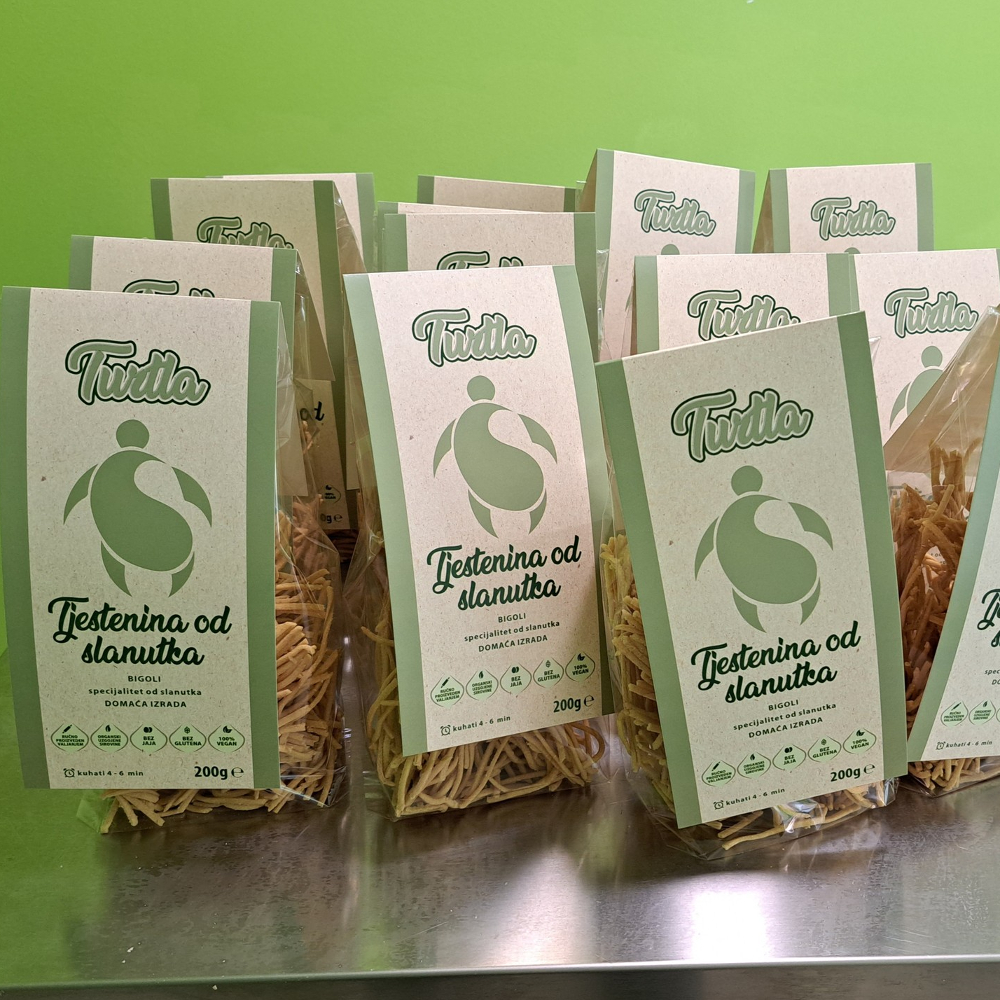



We also specialise in technology built specifically for short supply chains. Get in touch if that is something you need!
Shopping Cart (0)
Your cart is empty