
Bee bread (perga)
Options
Product Information
Perga, also known as bee bread, is fermented bee pollen. Bees collect pollen from flowers, carry it to the hive and place it in the honeycomb. They mix this pollen with their secretions and honey, fermenting it with the help of enzymes and bacteria naturally found in the hive. The fermentation process allows for easier digestibility and increases the nutritional value of the pollen.
Benefits of perga:
Nutritional value:
Perga is rich in proteins, amino acids, vitamins (especially B complex, C, D, E), minerals (calcium, magnesium, iron, zinc) and enzymes.
Strengthening the immune system: Due to its high content of antioxidants and nutrients, perga can help strengthen the immune system and increase resistance to infections.
Improving digestion: Perga contains natural probiotics that can improve gut flora and promote healthy digestion.
Energy and endurance: Due to its high protein content and essential nutrients, perga can boost energy levels and improve physical endurance.
Heart and vascular health: Regular consumption of perga can help lower bad cholesterol levels and support cardiovascular health.
Mental health support: The vitamins and minerals in perga can contribute to a better mood and mental clarity, as well as reduce symptoms of stress and anxiety.
How to consume it?
- Perga can be consumed on its own, added to yoghurts, smoothies or other dishes, and is often available in specialist health food stores or from local beekeepers.
Additional Product Info
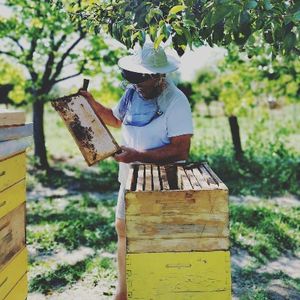
OPG Jasminka Galić
Piškorevci, HR
Product Ratings
Questions & Answers
Sign in to ask questions
No questions yet. Be the first to ask one.
Similar Products
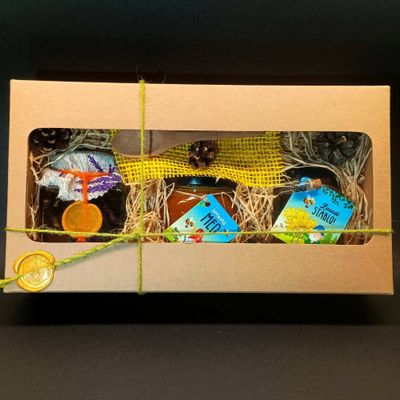
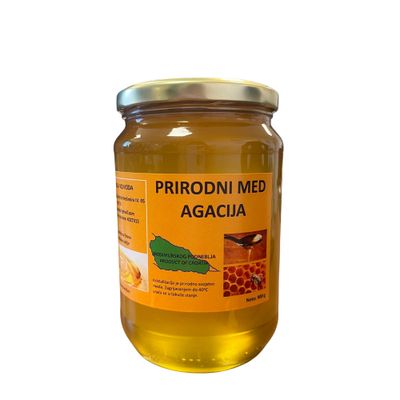
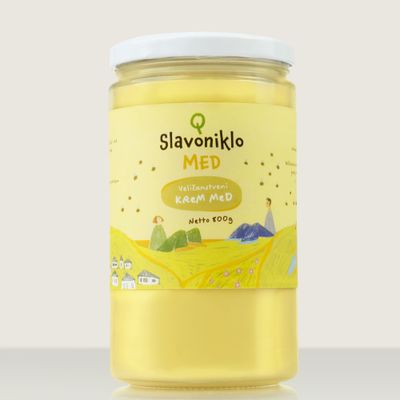
More from OPG Jasminka Galić




We also specialise in technology built specifically for short supply chains. Get in touch if that is something you need!
Shopping Cart (0)
Your cart is empty