
Chestnut honey
Options
Product Information
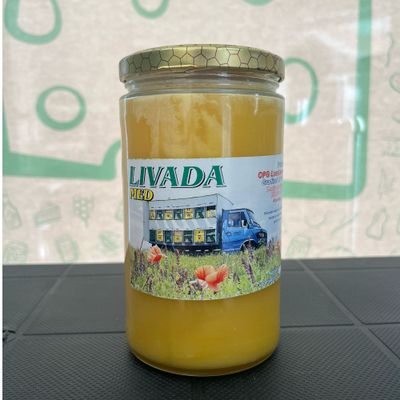
Chestnut honey is a highly nutritious, dark-coloured honey produced from various species of chestnut. In Europe, chestnut honey is most commonly harvested from the blossom nectar of the sweet chestnut (lat. Castanea sativa). Fresh chestnut honey can be found across Europe from May to July. Chestnut honey is exceptionally dark in colour and has a subtly sweet yet bitter taste, which it owes to tannin compounds in its composition. Chestnut honey contains a high proportion of fructose, which means it rarely crystallises and remains in liquid form. Highly valued in gastronomy, precisely because of its slightly bitter flavour, this honey pairs perfectly with strong cheeses such as gorgonzola. It is often spread on buttered toast and fits in wonderfully with both savoury and sweet dishes. Chestnut honey possesses medicinal properties that can help with various health conditions or boost immunity. It contains numerous minerals and vitamins, including vitamins C and B, potassium, manganese, iron, etc. Some of the health benefits of chestnut honey include antibacterial and anti-inflammatory action, boosting energy, reducing fatigue, promoting circulation, and lowering blood pressure. Chestnut honey also has a healing effect on sore throats and gastritis because it is viscous and has a low moisture content. It exerts a calming effect by forming a protective layer in the throat and stomach, preventing further irritation.
In addition to gastritis, it can also help in cases of respiratory infections or ulcers. It is best consumed raw "by the spoonful" or in tea. It has a low level of acidity, is rapidly absorbed by the body, and does not irritate the gastrointestinal tract. Our little bees forage in Hrvatska Kostajnica, home to rich chestnut forests, where they collect the most famous and sought-after nectar. See the quality for yourself and order our chestnut honey!
Additional Product Info
OPG Marko Lombarović
Otok, HR
Product Ratings
Questions & Answers
Sign in to ask questions
No questions yet. Be the first to ask one.
Similar Products
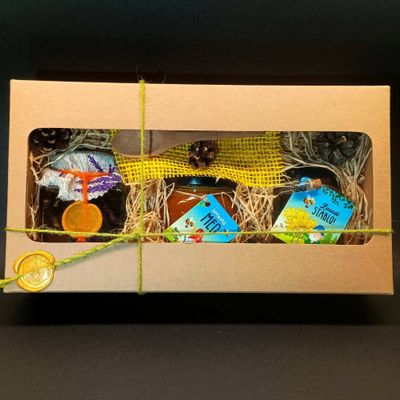
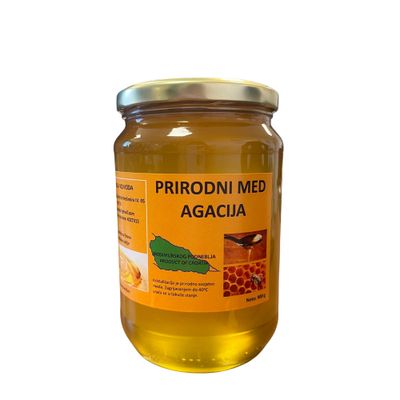
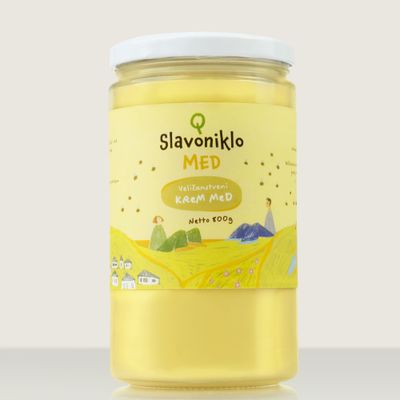
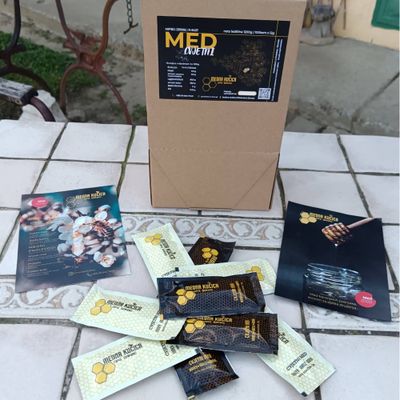
More from OPG Marko Lombarović
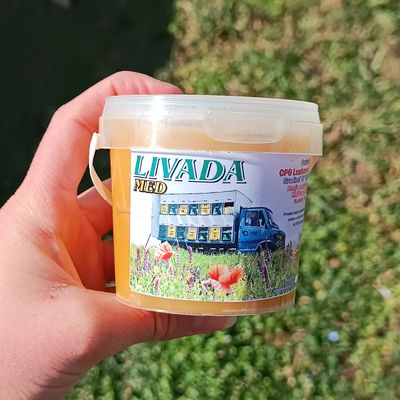
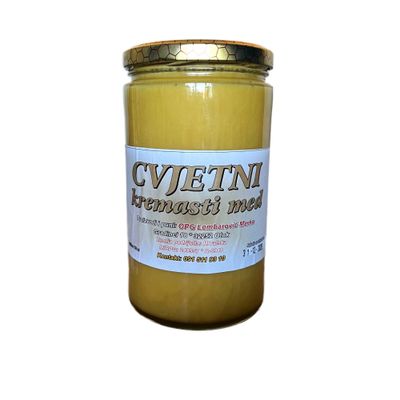
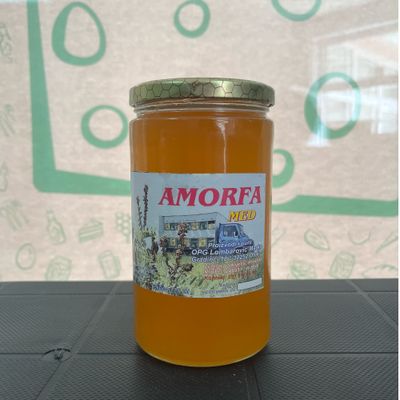




We also specialise in technology built specifically for short supply chains. Get in touch if that is something you need!
Shopping Cart (0)
Your cart is empty