
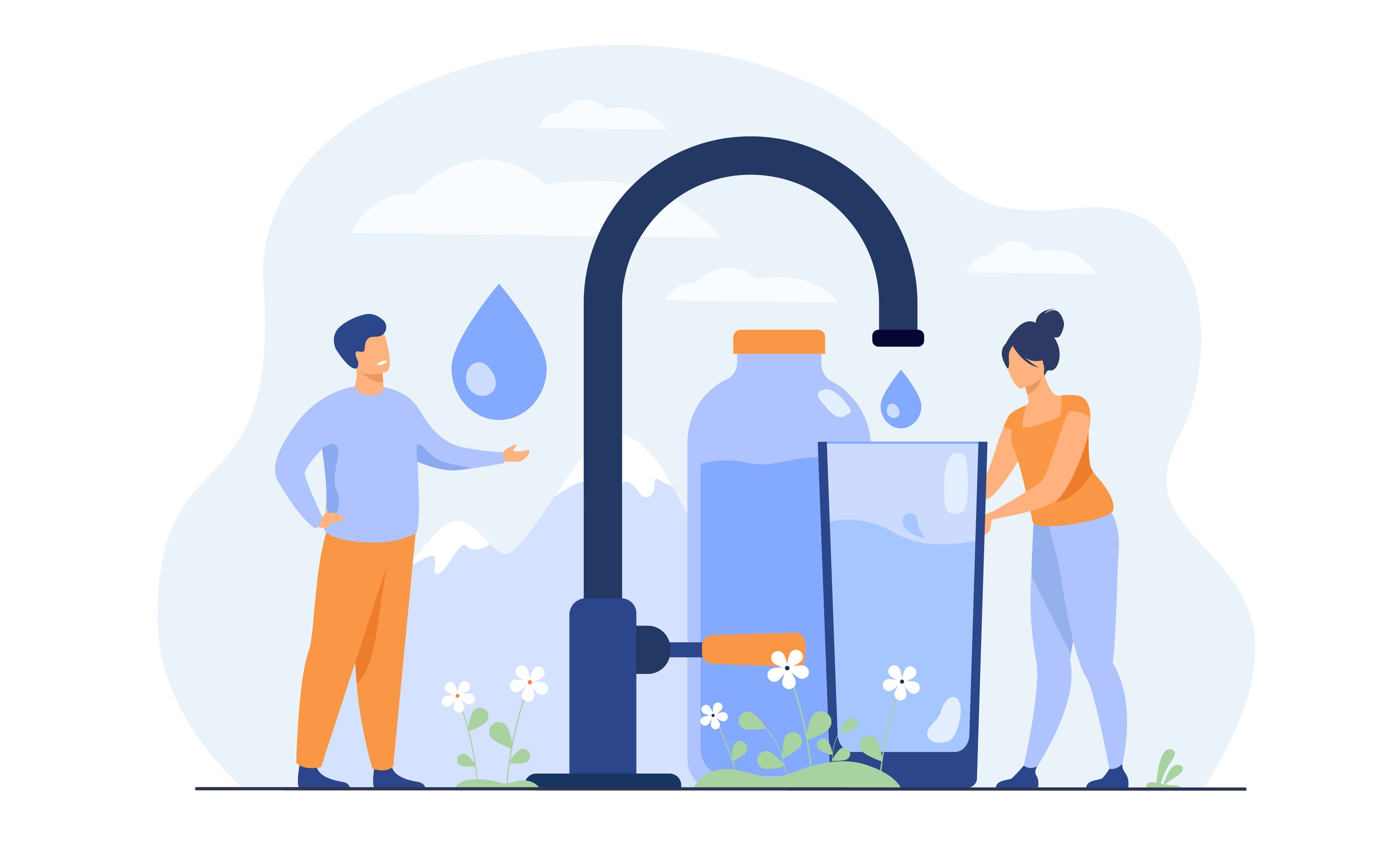
Why Water Is Essential for Your Body

Water is a vital component of all living beings and an irreplaceable part of our diet. It makes up about 60–70% of an adult's body weight, and even slightly more in children. Therefore, it is essential for life and health. Almost all of your body's major systems depend on water to function and survive. Drinking water not only quenches thirst but is also crucial for your organism to function normally.
A few important ways water works in your body:
- regulates body temperature
- regulates body weight
- maintains muscle mass
- strengthens immunity
- prevents premature skin aging
- reduces stress
- relieves fatigue
- moistens tissue in the eyes, nose, and mouth
- protects body organs and tissues
- transports nutrients and oxygen to cells
- lubricates joints
- reduces kidney stones and cleanses the liver by flushing out harmful substances
- helps dissolve minerals and nutrients so they become accessible to your body
Water intake depends on your body weight, health status, climate, season, and physical activity level. The recommended daily intake of water is 3 liters for men and 2.2 liters for women. With higher physical activity, higher air temperatures, or in warm and humid climates, it is necessary to consume additional amounts of water.
You should start your day by drinking 2dcl of lukewarm water, as it stimulates digestion and helps morning bowel movements. Continue drinking water throughout the day, even before you feel thirsty. Drink water before or after meals rather than during, as it can interfere with digestion.
The body loses water through breathing, urinating, sweating, bowel movements, bleeding, or vomiting. All lost fluid needs to be replenished to keep the body from dehydrating. The first signs of dehydration include fatigue, headaches, dry mouth, dry skin, dark urine, weakness, irritability, reduced concentration, and similar symptoms.