Vitamin B

Why is vitamin B essential for our health and
which foods contain the most of it?
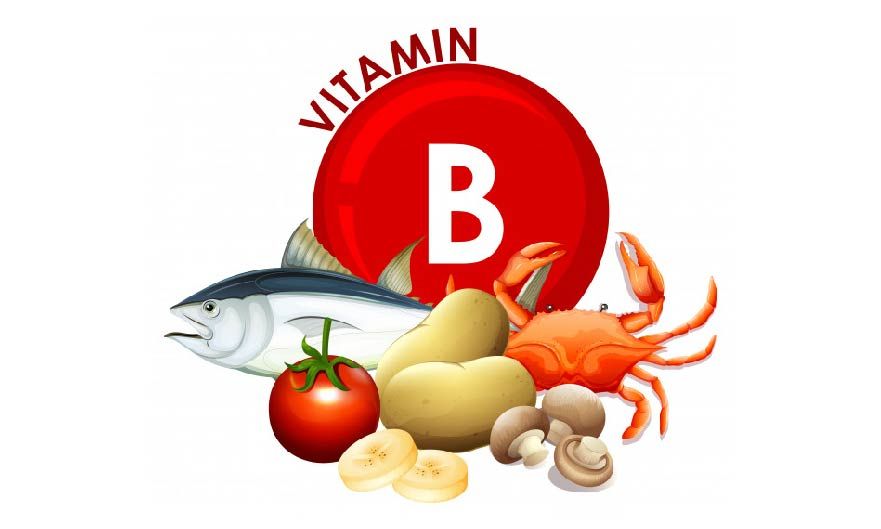
Vitamin B is not a single nutrient, but a group of eight water-soluble vitamins collectively known as the B complex. The body cannot store these vitamins, so they must be consumed regularly as part of our daily diet. Cooking, other food processing methods, and excessive alcohol consumption can significantly reduce or entirely prevent the availability of these vitamins, which are essential for various metabolic processes.
The eight members of the B complex:
- thiamine (B1)
- riboflavin (B2)
- niacin (B3)
- pantothenic acid (B5)
- pyridoxine (B6)
- biotin (B7)
- folic acid (B9)
- cyanocobalamin (B12).
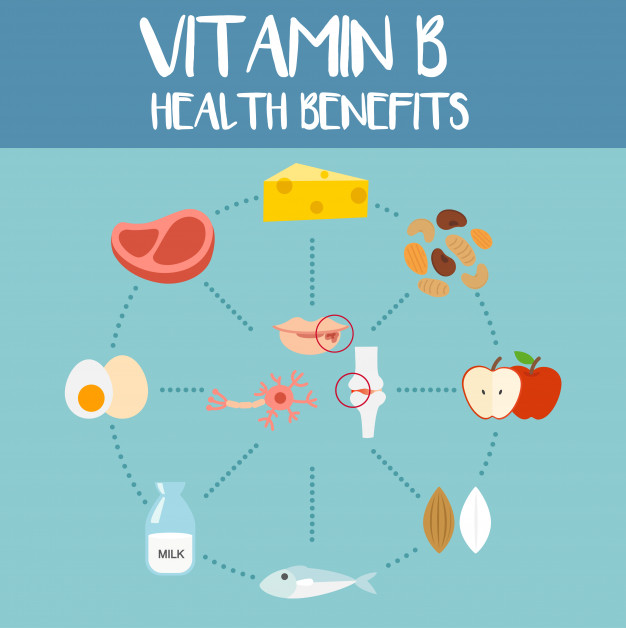
Each of them performs specific functions, but they all share the crucial role of generating metabolic energy from carbohydrates, proteins, and fats. B-group vitamins work together to improve metabolism, immune and nervous system function🧠, protect skin and muscles💪🏻, promote cell growth and division, and provide many other positive effects on overall health.
Vitamin B1
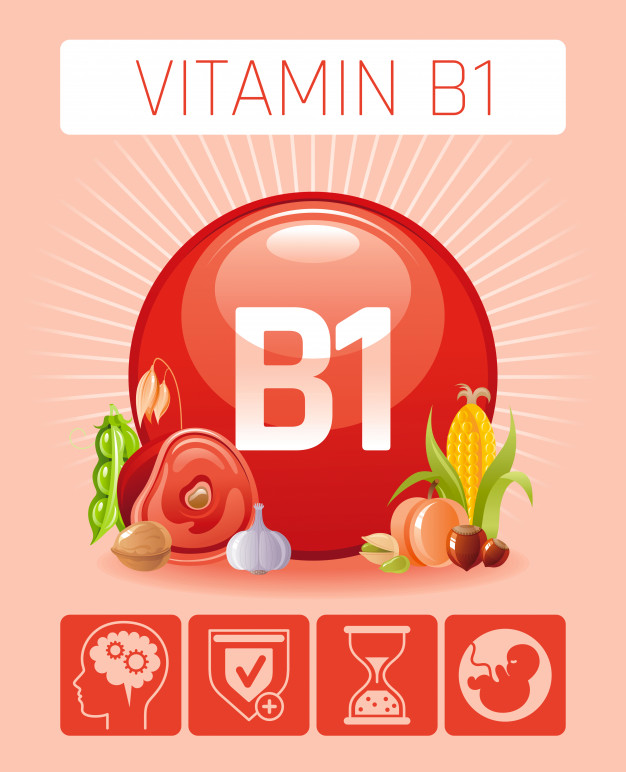
It is particularly important for heart function and the cardiovascular system, brain, and nervous system🧠, because it takes part in transmitting nerve impulses. Thiamine improves circulation, is necessary for muscle tone in the intestines, stomach, and heart, and protects against depression, stress, and anxiety. Vitamin B1 participates in producing and utilizing metabolic energy in the brain and influences cognitive processes.
Foods rich in vitamin B1:
- organ meats,
- kidneys,
- eggs🥚,
- leafy green vegetables,
- walnuts,
- legumes,
- berries,
- wheat germ and most whole grains🌾.
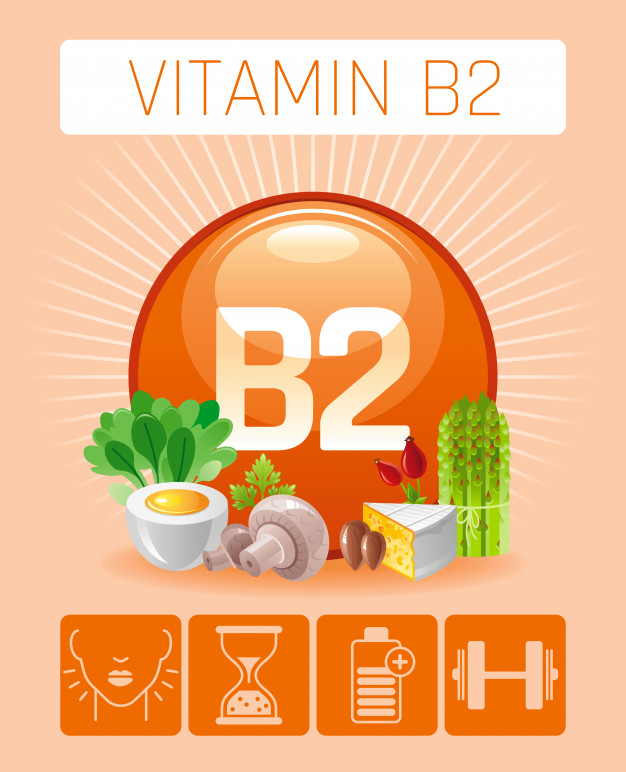
Vitamin B2
It is required for red blood cell formation and respiration, antibody production, and regulating human growth and reproduction. It is essential for healthy skin, nails, hair growth, and overall good health, including the regulation of thyroid activity.
Foods rich in vitamin B2:
- dairy products🥛🧀,
- broccoli🥦,
- spinach,
- legumes,
- eggs🥚,
and grains are often fortified with this vitamin.
❌Foods containing it should not be stored in glass containers exposed to light.
Vitamin B3
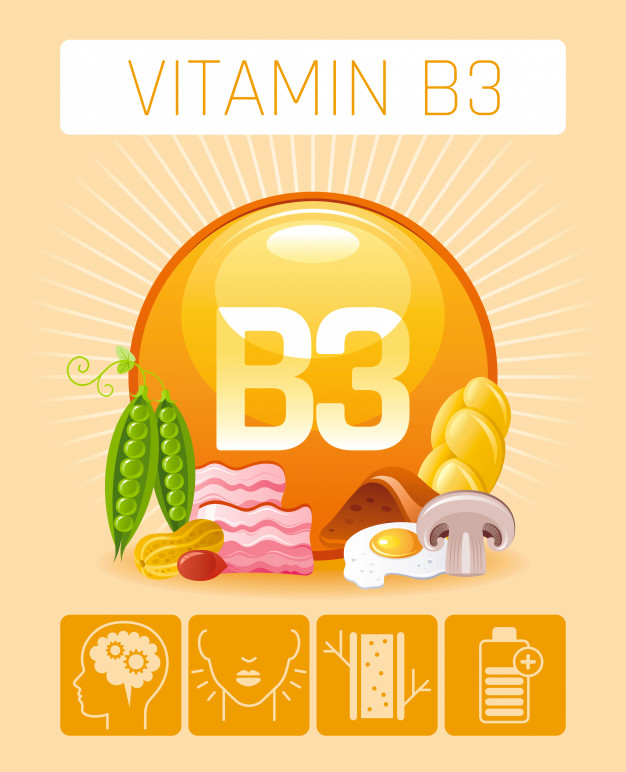
It is involved in maintaining the nervous system and skin cells, as well as digestive and nerve function. It is vital for extracting energy from glucose. It is also essential for the synthesis of hormones such as cortisol, thyroxine, and insulin.
Foods rich in vitamin B3:
- dairy products🥛🧀,
- eggs🥚,
- poultry🐓,
- legumes and
Vitamin B5
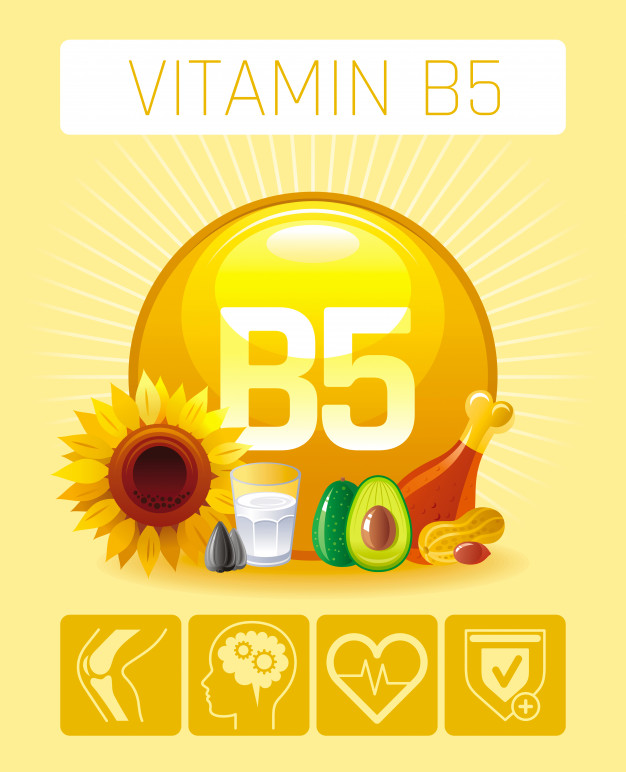
It is important in the initial steps of the Krebs cycle and the full utilization of energy from glucose. It is also referred to as the anti-stress vitamin, because together with vitamin C it ensures proper adrenal gland function.
Foods rich in vitamin B5:
- meat🥩,
- legumes,
- eggs🥚,
- fruit and
Vitamin B6
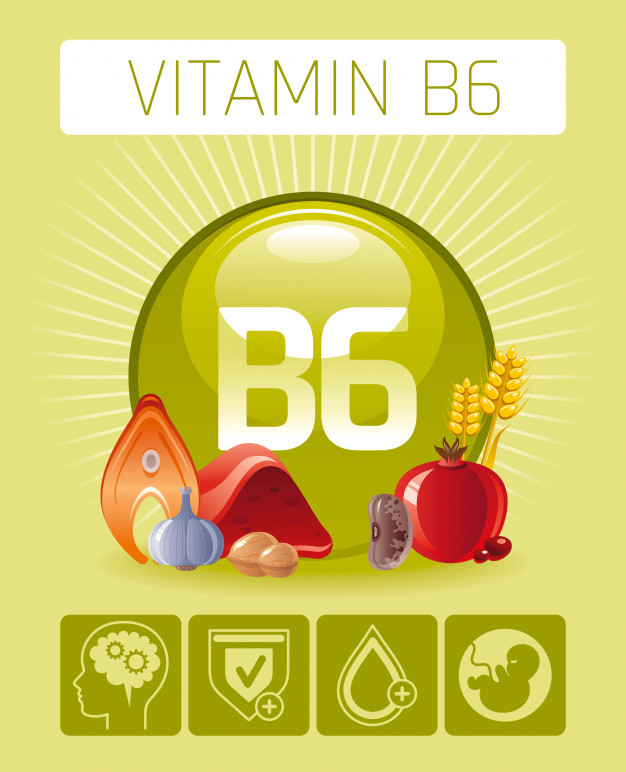
Its primary function is supporting the immune system, aiding proper brain function🧠, liver health, growth, red blood cell production, as well as maintaining hair, skin, and vision health.
Foods rich in vitamin B6:
- organ meats,
- yeast,
-fish🐟,
- soy,
- eggs🥚,
- milk🥛,
- fruit (dried fruit, bananas🍌, avocados🥑) and
- vegetables (spinach, wheat germ).
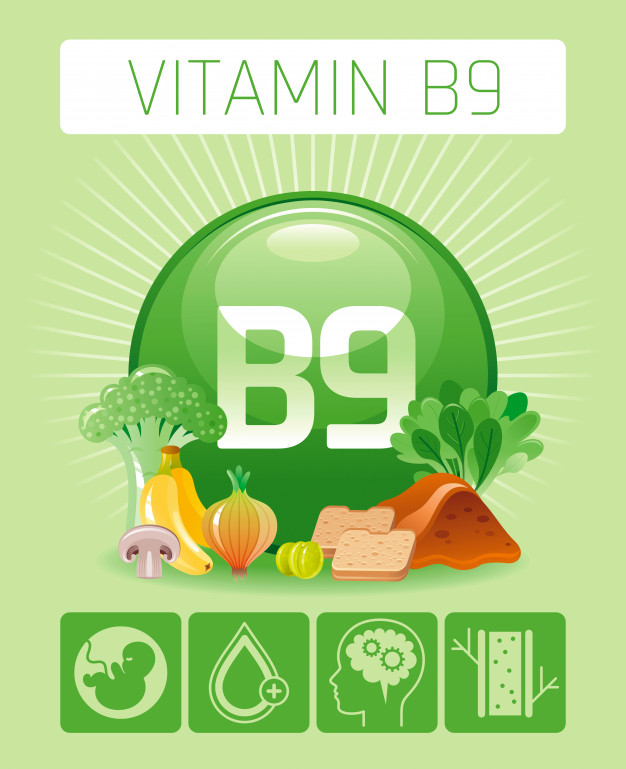
Vitamin B9
It is essential for maintaining physical and mental health, energy production, and the metabolism of amino acids and nucleic acids.
Foods rich in vitamin B9:
- organ meats and green soybeans (edamame),
- lentils,
- beans,
- asparagus,
- artichokes and
- broccoli🥦.
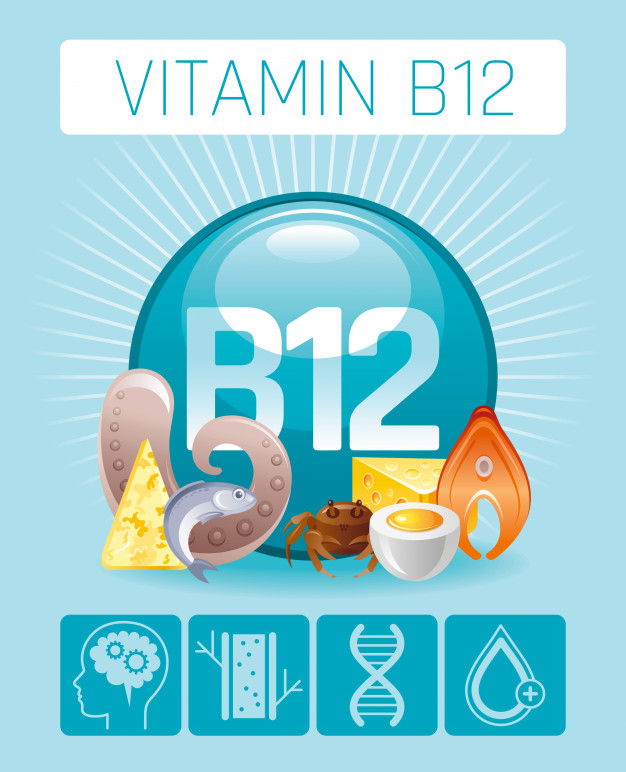
Vitamin B12
It supports metabolic energy production, protects brain cells, stimulates serotonin production, contributes to red blood cell formation, supports the immune system, and helps maintain a positive mood.
Foods rich in vitamin B12:
- meat🥩,
- organ meats,
- fish🐟,
- shrimp🦐,
- shellfish🐚 and
- eggs🥚.