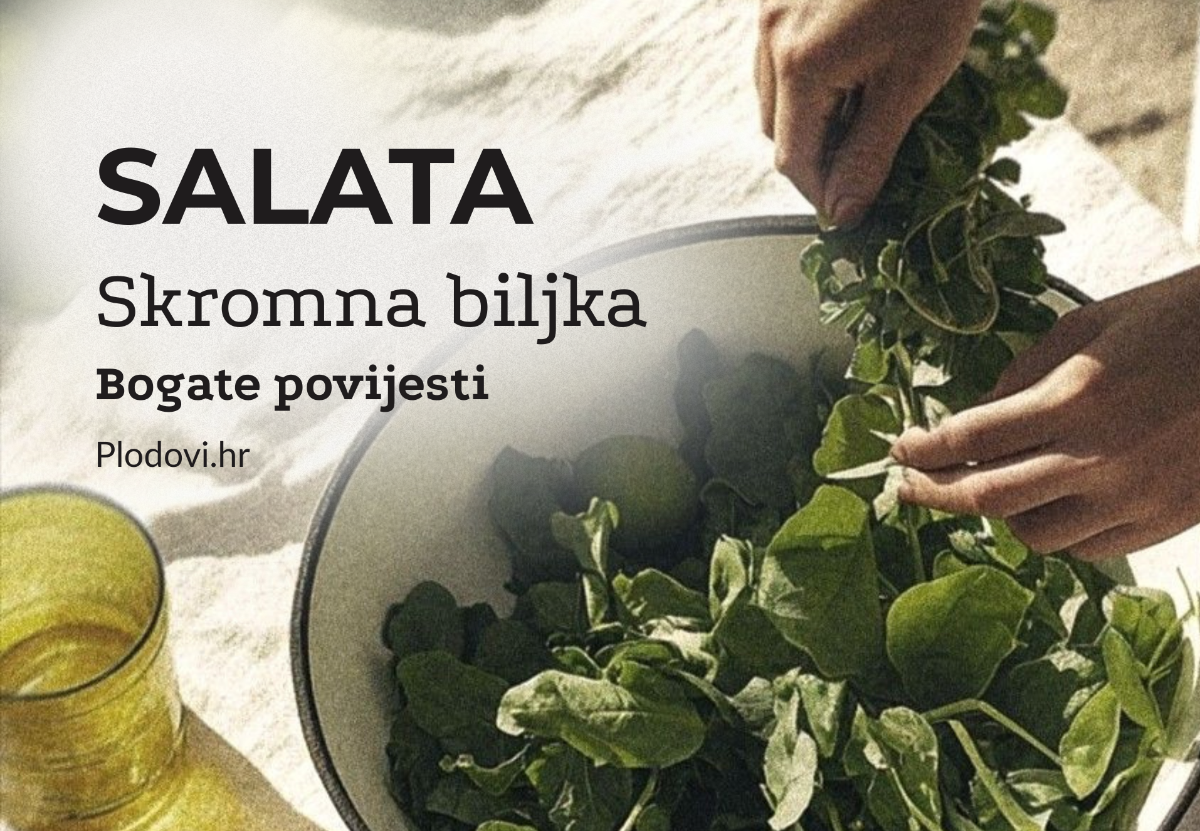
Lettuce, a Humble Plant with a Rich History and Numerous Benefits

Lettuce is one of those foods we see on our plates almost daily, most often as a side dish or a light addition to a meal. Although we often view it as a completely ordinary plant, behind it lies a fascinating history, rich nutritional value, and numerous lesser-known facts that have made it special across many cultures over the centuries.
From Ancient Civilizations to the Modern Plate
The exact origin of lettuce is not fully known, but it is believed to descend from wild species that grew in Siberia and Western Asia. Its value was recognized as early as ancient civilizations, and it was regularly cultivated and consumed by the ancient Greeks and Romans.
Lettuce held a special place in ancient Egypt, where it was considered a sacred plant dedicated to Min, the god of fertility. The Egyptians cultivated it as early as around 1680 BC, but back then primarily for its seeds, which yielded oil, rather than the leaves we most commonly eat today. Later, the Romans expanded lettuce cultivation throughout the Mediterranean, after which it became a staple crop in European gardens during the Middle Ages. Over time, thanks to explorers and colonization, it reached the New World, where it quickly became one of the staple vegetables of the Western diet.
More Than Just a Side Dish
Today, lettuce is an essential part of a healthy diet, especially when it comes to light and low-calorie meals. 100 grams of lettuce contain only 13 to 15 calories, making it a popular choice for people looking to maintain their body weight or lose weight.
Besides being light, lettuce is also very nutritionally valuable. It is rich in vitamin K, which plays an important role in maintaining bone health and proper blood clotting. Green leaves also contain beta-carotene, or provitamin A, which contributes to healthy skin and vision.
Lettuce is a good source of folic acid (vitamin B9), which is particularly important for pregnant women, while vitamin C helps strengthen the immune system and protect the body. Thanks to its high water and potassium content, it aids in hydration and acts as a natural diuretic. Regular consumption can contribute to better digestion, bodily balance, and an overall sense of lightness.
Darker Leaves – More Nutrients
Although all lettuce varieties are beneficial for health, there are still differences among them. As a general rule, dark green or reddish leaves contain more antioxidants, iron, and other beneficial compounds than lighter varieties such as iceberg lettuce.
Today, there are more than 200 varieties of lettuce, with crisphead, butterhead, endive, arugula, lamb's lettuce, and radicchio being among the best known. They differ in taste, texture, color, and growth habit, and are most commonly divided into head lettuces, which form a firm head, and loose-leaf lettuces, which grow as open leaves.
Interestingly, lettuce was not used solely as food. Throughout history, it was also employed in traditional medicine and natural skincare. Due to its wealth of nutrients, it was an ingredient in various face masks and skin compresses.
The Greek physician Hippocrates, considered the father of medicine, attributed numerous medicinal properties to lettuce, calling it the "herb of the wise." In ancient Persia, it was known for its soothing effect. People consumed it before bedtime to fall asleep more easily and improve sleep quality.
Such beliefs were not unfounded. Namely, the stem of the lettuce plant contains a substance called lactucarium, which has mild sedative properties and can help with relaxation and insomnia.
A Plant That Still Holds a Special Place Today
From the sacred gardens of ancient Egypt to modern kitchens around the world, lettuce has come a long way. Although it seems simple and everyday, it is a plant with a rich history and valuable nutritional profile that continues to hold an important place in many people's diets today.