
Leftover apples about to spoil and don't know what to do with them?

Do you have a few apples left that are visibly past their prime, but not enough for a strudel or another sweet treat?
We have a quick and easy solution!
Try delicious apple mash, perfect as a breakfast topping or a light snack.
If you are looking for an even simpler option, there is also a healthy apple tea that will warm and refresh you at any time.
Apple mash
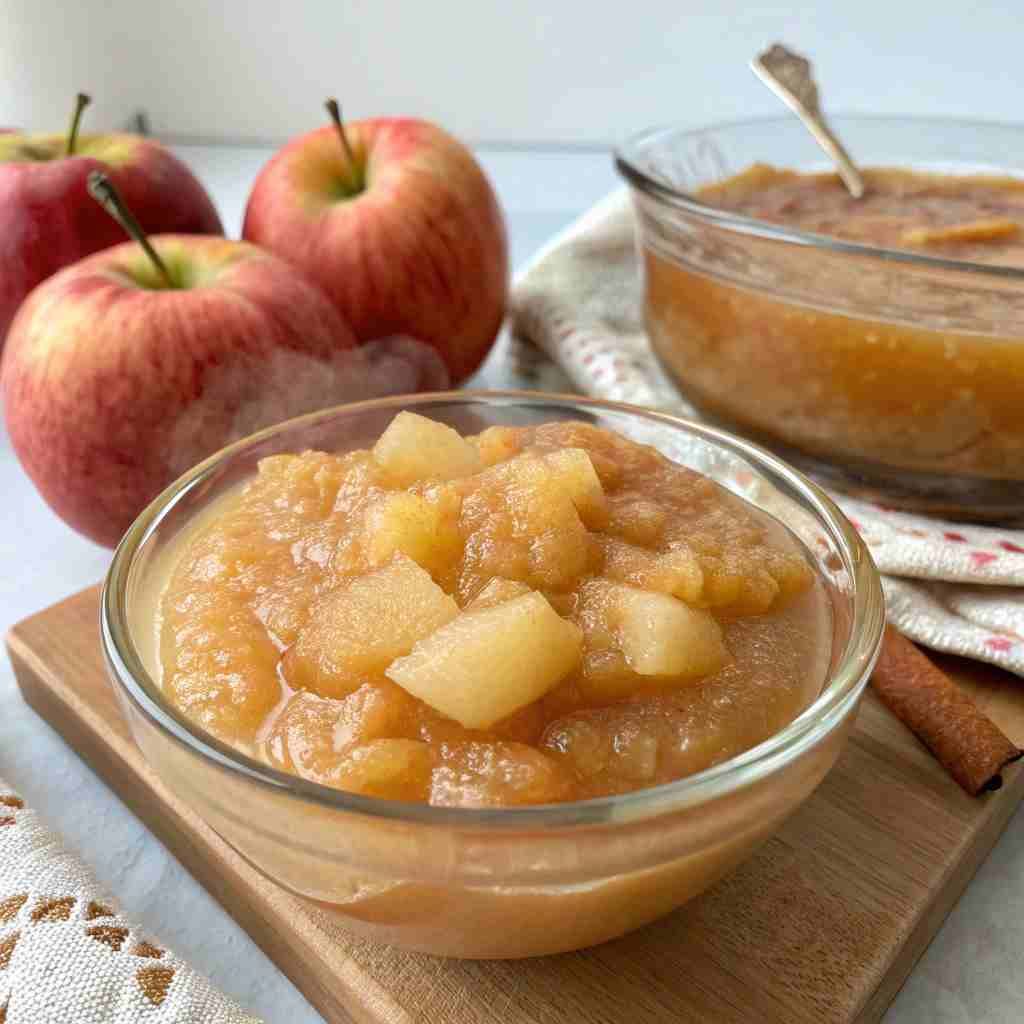
Preparing the mash is actually very simple. You can peel the apples, or leave the skin on – it all depends on your preference. Slice them up and place them in a pan with a bit of butter or, if you prefer, coconut oil.
Gently sauté the apples, stirring occasionally and making sure they don't burn. Cook them until they soften and reach a soft, smooth texture. Towards the end, you can add a sweetener of your choice: sugar or a few teaspoons of honey to bind the flavors nicely and give the mash a smooth consistency.
Note: If you use honey, it is recommended not to add it while the apples are still simmering at a high temperature, but only after removing the pan from the heat. Honey loses some of its nutritional and beneficial properties at high temperatures. If you use sugar, you can add it during cooking so it dissolves better and gives the apples a nice, mildly caramelized flavor.
Once the mixture cools down, store it in a clean glass jar and keep it in the refrigerator. Stored this way, it can last up to a week, and adding honey can slightly extend its freshness since honey has natural antibacterial properties, though it does not act as a full preservative.
Sliced apple tea
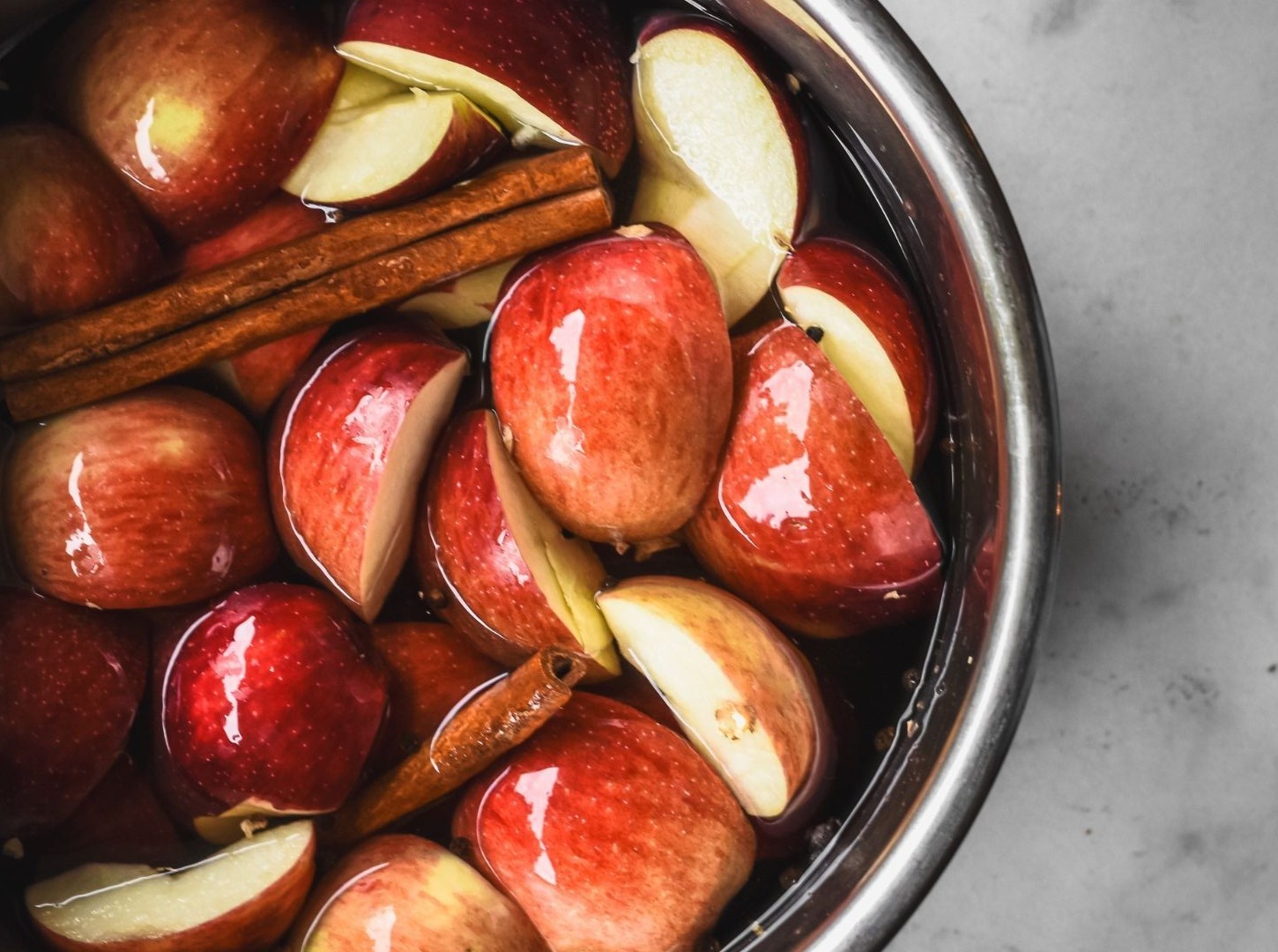
You can use as many apples as you like, depending on how many you have left—it won't hurt, and the taste will only be better. For 1–2 chopped apples, use 500–700 ml of water. If you like, you can add a cinnamon stick and cloves, and at the end, once the tea cools down, squeeze in some lemon and add honey to taste.
The procedure is very simple: wash the apples thoroughly, then slice them with or without the peel. Heat the water to just below boiling point, letting it gently foam without rolling into a hard boil. Then, add the apples, cover with a lid, and simmer for 5–10 minutes over low heat. Once cooked, leave it covered for another 5 minutes to extract the nutrients. Finally, strain the tea or leave the apple slices in it.
This type of tea made from fresh fruit is wonderful because it preserves a large portion of the vitamins from the apples. The nutrients mostly retained during this process are:
B1 (thiamine) – essential for energy and the nervous system
B2 (riboflavin) – supports metabolism
B6 – important for immunity
Potassium – supports heart function
In smaller amounts, the following are also preserved:
Magnesium – great for teeth and bones
Polyphenols and antioxidants – help the body fight free radicals
Pectin – good for digestion
Vitamins that are partially lost due to sensitivity to high temperatures include vitamin C, but you can replenish it by adding lemon juice after cooking. Preserving vitamins depends greatly on cooking the apples properly, so it is important to stick to the recommended preparation time and temperature to make the tea as healthy and nutrient-dense as possible.