
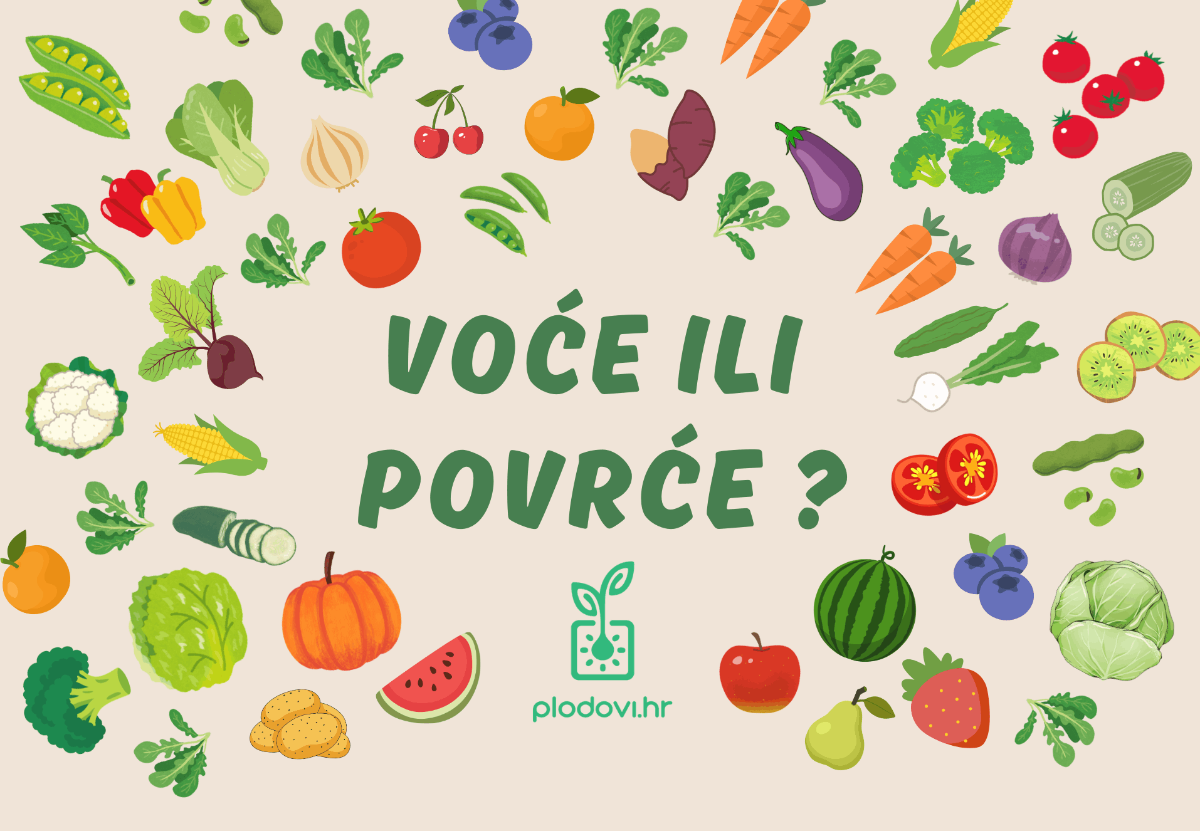
Fruit or Vegetable?

Let's solve the mystery of what is a fruit and what is a vegetable once and for all. What are their main differences, and how can you easily spot them in the future?
While knowing the difference between fruits and vegetables probably won't change our daily lives, it does raise a question: do we really know what we're eating? At first glance, the answer seems simple, but the line between fruit and vegetable isn't always clearly defined. Different botanical and culinary definitions often lead to confusion, leaving many foods in a gray area.
Most of us are convinced that we can easily tell fruits and vegetables apart. However, as soon as tomatoes or watermelons are mentioned, debates arise. These exact examples show that what we consider a fruit or a vegetable doesn't always follow the same rules.
What is the main difference?
Although chefs might not agree on how fruits and vegetables are divided, botanists have a clear definition of the difference.
The main difference between fruits and vegetables lies in how the fruit is formed and which part of the plant is consumed.
Botanists define fruit as produce that develops from a flower after fertilization and contains seeds inside. In other words, any produce that develops from a flower and contains seeds is considered a fruit.
Vegetables, on the other hand, include all other edible parts of the plant, such as roots, stems, leaves, flowers, bulbs, and tubers. Therefore, with vegetables, we are usually not eating the fruit itself, but another part of the plant used for food.
Example:
Fruit (botanical): watermelon, apple, pear, plum, tomato, pepper, cucumber, zucchini, eggplant, pumpkin, olive.
Vegetables: carrot (root), potato (tuber), onion (bulb), lettuce (leaf), celery (stem), cauliflower and broccoli (flower).
Why do we call tomatoes vegetables then?
The reason lies in the culinary classification of food. In the kitchen, fruits and vegetables are distinguished not by botanical characteristics, but by their use, taste, and method of preparation. Ingredients most commonly used in savory dishes are classified as vegetables, while those eaten fresh, as dessert, or having a predominantly sweet flavor are considered fruits.
Retail chains have also adopted this classification because it is simpler, more practical, and closer to everyday consumer habits. However, nature doesn't always follow the rules we set for it. The plant world is extremely diverse, so botanical and culinary classifications often don't align. That is precisely why foods like tomatoes, peppers, cucumbers, or zucchini botanically belong to fruits, while in everyday life almost all of us consider them vegetables.
A simple rule that is easy to remember
If you want to distinguish fruit from vegetables according to botany, remember one simple rule:
If you are eating produce that developed from a flower and contains seeds inside—it is a fruit.
If you are eating the root, leaf, stem, flower, or tuber of a plant—it is a vegetable.