
How to Store Vegetables to Keep Them Fresh and Nutritious Longer

In today's fast-paced lifestyle, vegetables are often neglected, leading to spoiled and unused produce. However, there are ways to extend the freshness of your vegetables and preserve their nutritional value. In this article, we will share useful tips on how to store vegetables properly, extend their shelf life, and reduce food waste.
Keeping vegetables fresh for as long as possible not only helps reduce waste, but also saves money. Although there are ways to make use of overripe produce, this guide focuses on preserving freshness and nutritional value. Every vegetable requires a specific storage method to stay fresh longer. Besides proper storage, it is important to know which vegetables can be stored together and which should be kept separate. Some produce releases gases and moisture that can accelerate the spoilage of other items, while others require specific conditions, such as lower or room temperatures.
While there are many ways to store vegetables, we will focus on the methods that are most practical for everyday use.
What You Need for Storing Vegetables
To encourage eco-consciousness and environmental care, this article focuses on sustainable storage solutions. Instead of single-use materials, we will use reusable items such as cotton towels, airtight containers, socks, and natural storage options. Wooden crates and cardboard boxes are also excellent alternatives—they allow proper ventilation, can be reused or recycled, and are much gentler on the planet. Alongside being a guide, this is also a small experiment to highlight the possibilities of this alternative, yet traditional, approach to storage.
Storage Instructions:
Leafy Greens
Leafy greens, such as lettuce, spinach, Swiss chard, and similar produce, should be stored in a way that preserves their freshness:
- First, wash the greens in lukewarm water.
- Dry thoroughly to remove excess moisture.
- Place the greens in an airtight container, adding a cotton towel to absorb moisture.
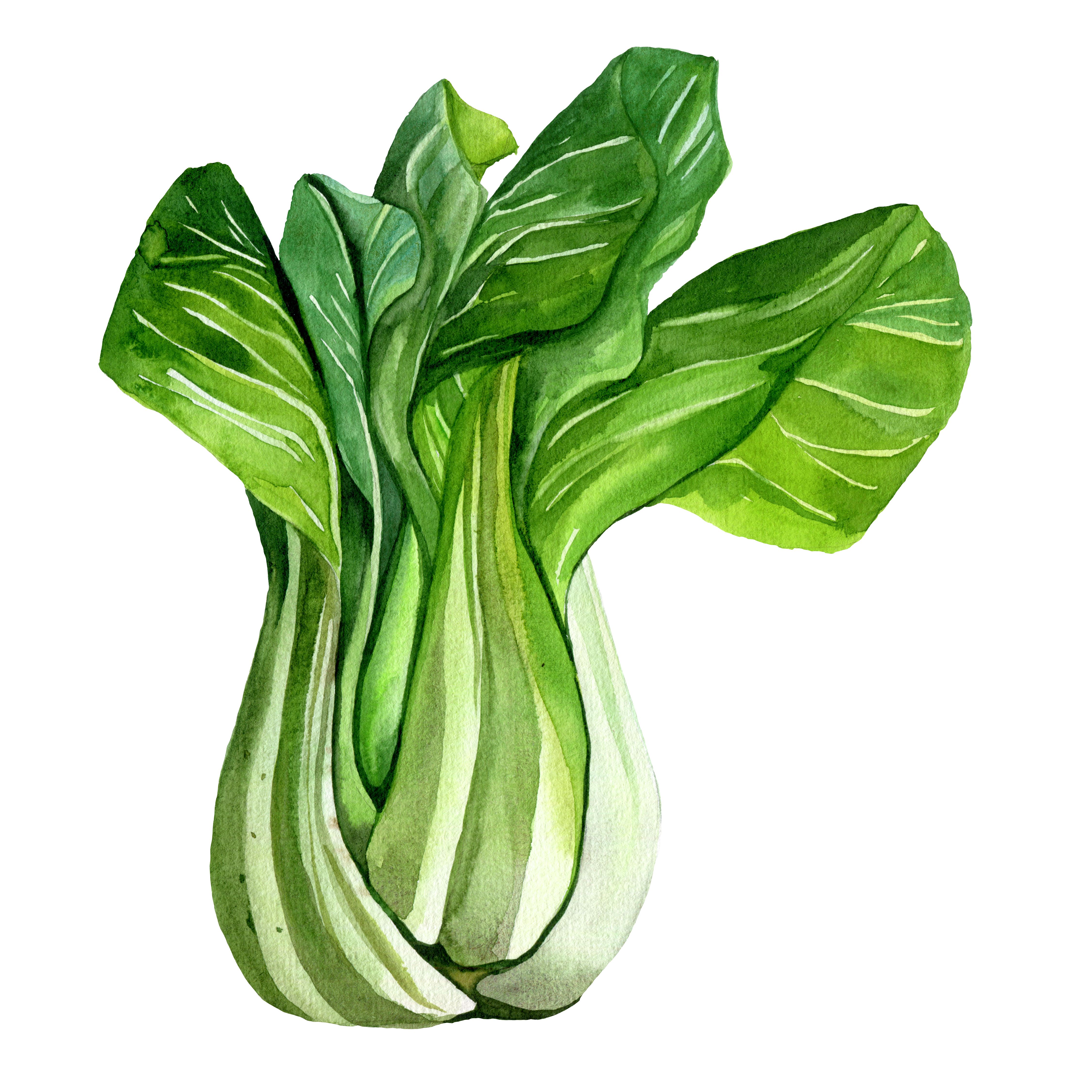
This technique keeps lettuce clean, fresh, and ready to use at any time, reducing the risk of food waste.
Most leafy greens are stored in a similar way, except for cabbage and kale, whose leaves are tightly bound into a head. These are best wrapped in a breathable cotton cloth to retain moisture and prevent drying out.
Asparagus and Fresh Herbs
Since asparagus is unique, for storage purposes we group it with leafy greens, as it is stored in the exact same way as fresh herbs:
- Trim the ends and place them upright in a glass jar with a small amount of water.
- Change the water regularly to prevent spoilage.
Fruit Vegetables
All fruit vegetables such as cucumbers, tomatoes, zucchini, eggplants, and similar produce have similar temperature and moisture requirements and can be kept together in the refrigerator:
- The best storage method is to use a larger bowl set aside specifically for this purpose, which can be sealed airtight or covered with a breathable cloth.
- Do not wash the vegetables before storing; wash them only right before use.
- Do not store them alongside tomatoes, as tomatoes release ethylene gas which speeds up the spoilage of other vegetables. Tomatoes are best kept at room temperature where they ripen better, retain a richer flavor, and maintain their texture. Place tomatoes in the fridge only if they are fully ripe and risk spoiling quickly at room temperature.
If you buy fruit vegetables for a longer period and do not plan to use them immediately, you can purchase them slightly unripe. In that case, keep them at room temperature until fully ripe. If you still do not plan to use them right away, only then transfer them to the refrigerator to prevent decay.
Root Vegetables
Root vegetables, such as carrots, celeriac, radishes, and parsley root, also require careful storage:
- Remove the green tops, leaving just a few millimeters above the root.
- It is not recommended to wash vegetables before storage unless they are covered in dirt. In that case, wash them gently so as not to damage the skin.
- Then dry them thoroughly and completely.
- Store them in a suitable container that allows air circulation and keep them in a cool place.
It is important for root vegetables to have sufficient ventilation during storage so they can regulate moisture. In addition, removing the leaves is essential because they draw nutrients away from the roots, which are the most valuable and nutritious part. Following these steps significantly extends the freshness and nutritional value of root vegetables, though it is still best to use them as soon as possible.
Storing Vegetables Outside the Refrigerator
Due to common confusion, many people assume that vegetables stored outside the fridge, such as potatoes, onions, or sweet potatoes, can be kept together in the same place. Unfortunately, this is not true. Because of specific humidity needs and the gases they release, they can spoil each other, often resulting in unpleasant odors and faster decay. It is best to store them in a dry, dark, and well-ventilated space, using containers such as wooden crates or cardboard boxes. Avoid lit areas, as even a small amount of light promotes sprouting. If you do not have a sufficiently dark space, cover them with a cotton cloth and use opaque packaging.
Tuberous Vegetables
Potatoes
- Store potatoes in a dark, cool place (temperature between 4 and 10°C).
- Use breathable containers, such as cloth bags, wooden crates, or cardboard boxes.
- Keep potatoes away from onions.
- Check periodically and discard any damaged tubers.
Sweet Potatoes
- Do not store sweet potatoes in the refrigerator.
- Keep them in a dry, dark, and well-ventilated spot (ideal temperature between 12 and 15°C).
- Sweet potatoes should not be stored in plastic bags, as they trap moisture.
- Keep them away from regular potatoes, as both emit gases that accelerate decay.
Allium Vegetables
Onions and Garlic
- Store onions in a dark, cool place.
- Garlic has similar requirements and is best stored in natural containers that allow air circulation.
- Use breathable containers like woven or wooden baskets, cardboard boxes, or simply hang them in a sock.
Spring Onions
- You can keep them standing in a glass with a little water to keep them fresh longer.
- Change the water regularly to prevent rot.
Cruciferous Vegetables
Cruciferous vegetables, such as kale, broccoli, and radishes, should be stored in a cool, humid place.
- Breathable packaging and moderate humidity help prevent decay and prolong freshness.
- You can place them together in a larger container covered with a cotton cloth.
- It is essential to avoid overcrowding so the vegetables have enough airflow and space, preventing them from pressing against each other and starting to rot.
Mushrooms
- Store in the refrigerator at temperatures between 1 and 4 °C.
- It is best to keep them in paper packaging that absorbs excess moisture and allows airflow, or place them in an airtight bowl with a cotton towel to soak up moisture.
- Avoid overcrowding and use them within a few days.
- In addition to paper packaging, you can also store them in airtight containers.
When it comes to mushrooms, storage options are limited because they spoil quickly. It is best to use them as soon as possible, as they rapidly lose their nutritional value.
Conclusion
When storing vegetables, we recommend obtaining suitable containers to use exclusively for vegetable storage. This is the most economical and sustainable solution, avoiding the need to continuously purchase new supplies. The same rule applies to cotton towels used for leafy greens—they do not need to be brand new; any clean cotton cloth serves the same purpose. You can easily source these by repurposing items you already have, such as old shirts or t-shirts you no longer wear.
Research has shown that airtight containers are among the most effective. Once sealed, they slow down degradation and block oxygen, which is the main factor contributing to vegetable spoilage.
Beyond being environmentally friendly, this approach also helps you save money. Mindful storage habits like these are a practical way to protect the environment and reduce unnecessary waste.